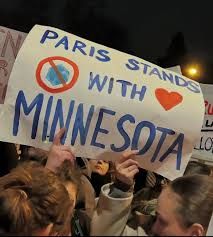
The Power of Goodness
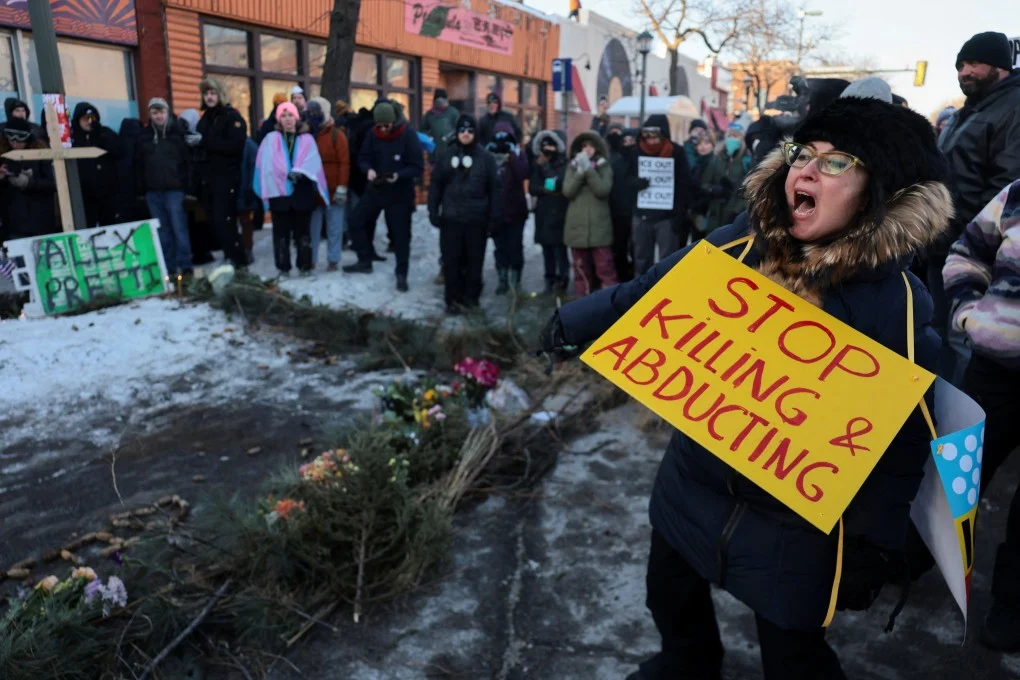
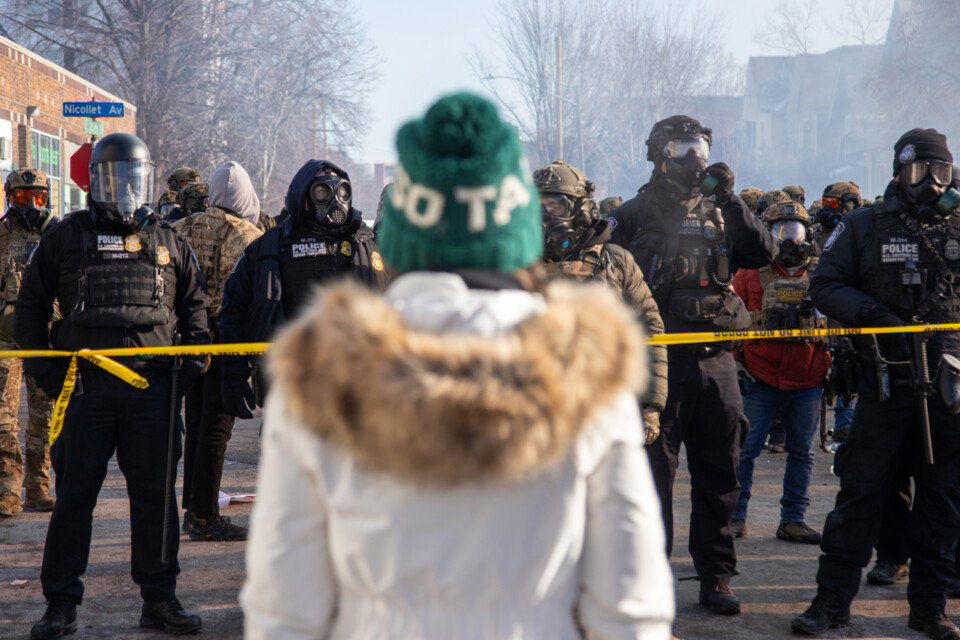
Hate in Retreat As President Trump retreats from his attack on American citizens in Minneapolis, it is time to embrace the example of goodness that has taken place. They have taken care of each other, brought food and comfort to those in hiding, maintained peaceful protest holding on to their deep faith in democracy and dignity; and they risked their lives. We will forever be in their debt. It is the power of goodness that links us in the fight against hate and fascism.
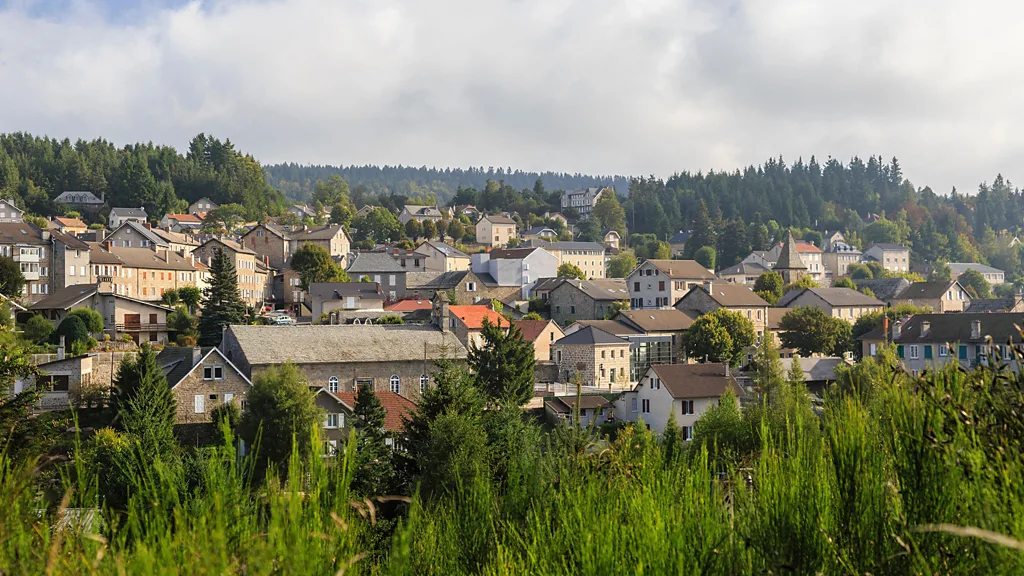
Another example from more difficult times In a small farming village in southeastern France’s Haute-Loire department, 5000 inhabitants harbored and rescued an estimated 3,500 to 5,000 people, mostly Jews, from the terror of Vichy and Nazi Germany. Le Chambon-sur-Lignon is a Huguenot (Protestant) village who had known historic persecution by the Catholic Church and had developed a culture of hospitality.
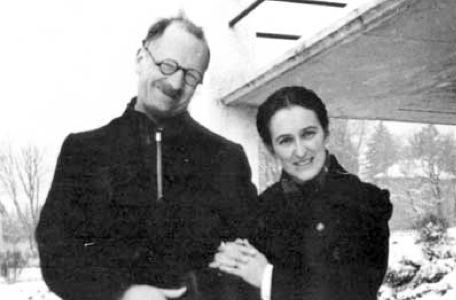
Pastor André Trocmé, his wife Magda, and assistant Pastor Edouard Theis their minister, called on their congregants to rescue Jews if they came through the village. Trocmé approached a Quaker organization, the American Friends Service Committee, who planned to smuggle children to safety but needed a hiding place, Trocmé volunteered. They hid, sheltered, fed, provided false identification and ration cards, helped many to escape to Switzerland, and gave hope to those fleeing terror. All it took for goodness to step up were the sermons offered by the village’s pastor. André Trocmé and Edouard Theis were arrested by Vichy police and sent to an internment camp for four weeks but upon release immediately went back to their rescue efforts. They had an advantage due to their isolated geography, but they also formed a “conspiracy of goodness” by choosing to resist through decency.
Conviction I remember meeting Nelly Trocmé Hewett, the daughter. We were a bit awed by this strong and grounded woman. She was firm that there was never a question about what had to be done. Their faith and culture gave them a sharp focus and purpose. When many praised her and Le Chambon, she rejected the praise. It was a combination of, there was not a choice and it’s what you do, with a humility that rejects being elevated above others. It was not just us that helped, she insisted, it was the entire plateau. Is it surprising that there were almost no betrayals despite the extreme risks? That was not true in much of France. I learned a lot.
Power of Goodness In Lest Innocent Blood Be Shed author and World War II soldier Philip Haille was overcome by what he discovered in Le Chambon. I do not have the text in front of me (still needs to be unpacked) but I remember him writing about the tears he realized were falling onto the pages. As a soldier he had killed Nazis and took delight in doing so. But there was no peace. He had to kill to stop the killing. Le Chambon showed him another type of nobility and heroism. I recommend his book.
The remarkable part of the power of nonviolent and determined resistance is its power to fortify the resistors and influence the perpetrators. The village rejected the help of the French Resistance and began to be mysteriously warned (by at least one of the enemy) of impending raids. It seemed that goodness had influenced the humanity of the perpetrator. In 1944 Pierre Sauvage was born in Le Chambon as a Jew. I recommend his documentary film “Weapons of the Spirit” that explores his history and the villagers who rescued him and so many others. He raised fundamental questions that remain relevant.
My Turn Israel’s Yad Vashem recognized André and Magda Trocmé as "Righteous Among the Nations". It is important for Jews to honor and remember those who were light in the darkness. There are always righteous people among us who would risk themselves for others and thus repair the world.
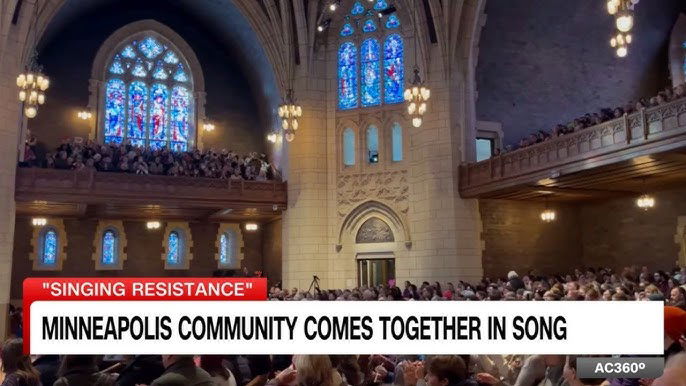
Le Chambon and Minneapolis have much in common even if the context is extremely different. Religion, higher beliefs that put others above self, or even a belief in the ideals of the Republic can foster powerful goodness. It is about defending the vulnerable against those who would abuse power. Pastor Trocmé saw his faith as directing him to reject and resist immoral government orders. When retired U.S. military leaders reminded the professional military that they are duty bound to reject illegal orders, I heard echoes of Le Chambon. When my city of Keene annually pledged to serve and protect all of its community members at our annual Kristallnacht Remembrances, I heard the echo of Le Chambon. And then we witnessed the heroic courage and community power of nonviolent resistance to the terror inflicted on them and I saw goodness put into action.
Magda Trocmé vividly remembered a knock on her door on a cold night in 1940. A German Jewish woman timidly asked if she could have shelter or food for her and her child. Without hesitation, the door opened and Magda yelled, “they’re here! They’re here!” Although there must have been fear at that moment for the refugee, it became clear instantly that they had found a safe harbor.
What do we do when we hear the knock on the door? How do we resist now with goodness, courage, and confidence? How do we choose to defend the promise of our Republic? How does our example inspire others?