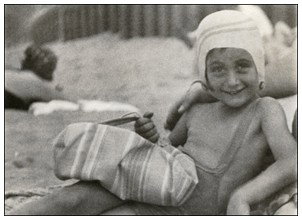
Anne Frank: "A History for Today"

82 years ago this week, Anne Frank wrote her longest diary entry while hiding in Amsterdam. It was April 11, 1944, the first warm day of spring and just after a break-in at the offices just outside the secret annex. She wrote with relief, joy, growing maturity, and a sense of springtime hope that day.
Dear Kitty, “I’m becoming more and more independent of my parents. Young as I am, I face life with more courage and have a better and truer sense of justice than Mother. I know what I want, I have a goal, I have opinions, a religion and love. If only I can be myself, I'll be satisfied. I know that I'm a woman, a woman with inner strength and a great deal of courage! If God lets me live, I'll achieve more than Mother ever did, I'll make my voice heard, I'll go out into the world and work for mankind! I now know that courage and happiness are needed first!”
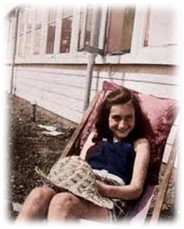
She had both. Then, a few months later, she and all those in hiding were discovered and the hope was gone. Only her father Otto would survive the Nazis. Otto decided, eventually, that education was the best weapon in preventing the horrors inflicted on his family. As we face dark and difficult times, we need to rediscover hope and invest in American education again because hope and opportunity are rooted in knowledge and remembrance.
Fundamental Question Anne's words, “If only I can be myself” haunts and motivates me. Some said no, you can't. Why are we unable or unwilling to just let other people be? What lets us hate, give up, target, and hurt others? Why do we listen to someone telling us to hate and tune out the voices of those, maybe hiding in their own way, who just want the right to be?
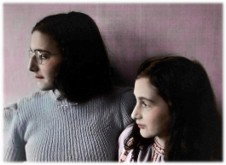
Below: Sisters Margot and Anne Frank.
Brattleboro This week I was in Vermont witnessing how Anne's story was being retold. At Brattleboro Union High School, Lindsay Levesque, a well-trained (from my previous institution), dedicated and expert teacher of a Holocaust history course, let her students lead the way. They were training to become docents for the exhibit, Anne Frank: A History for Today. Over two days of training by experts from the Anne Frank Center they were preparing to lead school and community tours of the exhibit.
Below: Friend and teacher Lindsay Leveque.
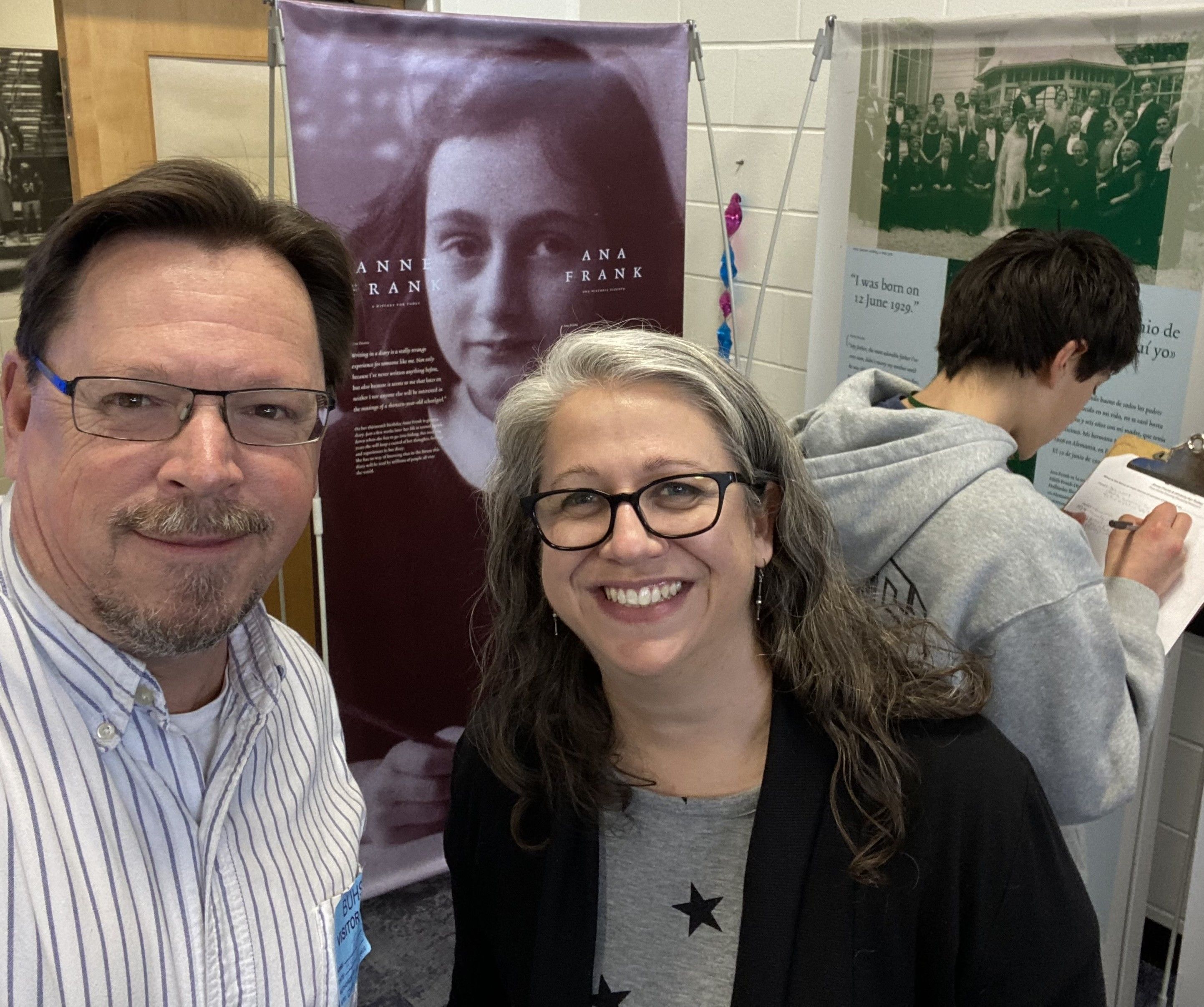
The exhibit is meant to: Inform visitors about the history of the Holocaust from the perspective of Anne Frank and her family; Show visitors that cultural, ethnic, religious and political differences exist in every society and that groups that see themselves as superior can deny others the right to equal treatment; show how such views can lead to discrimination, exclusion, persecution and even murder; challenge visitors to think about concepts such as mutual respect, human rights and democracy; help visitors to understand that laws and personal commitment are needed to help a society respect differences between people; and that none of this comes about by itself.
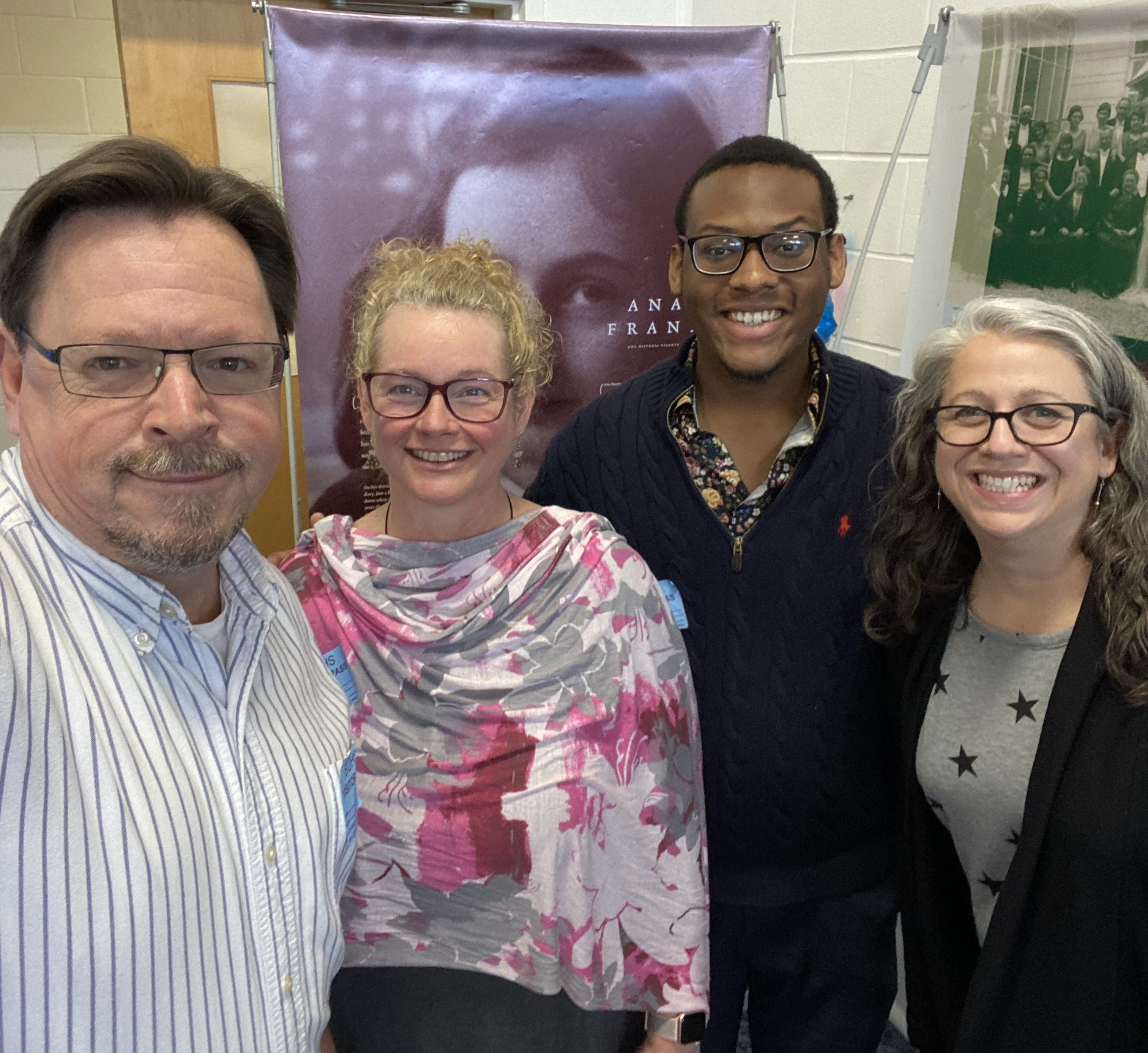
Above: Anne Frank Center trainers, Kael Sagheer and Asaru Buffalo with Lindsay Levesque.
Peer Training The training allowed the students to engage in the history while also breaking down how exhibits are created and presented. With each session, students grew in confidence. Importantly, as they learned how to guide, they received positive and then helpful critiques from their peers. They learned from each other and were quick to support and encourage each other. They learned how to ask open-ended questions and how to navigate difficult questions put to them. It was challenging and risky. What if they said something wrong? Could they speak in front of a group? Could they speak if they weren't experts? They overcame these fears because they wanted to, because their peers were in it with them, because they had the courage to care, and because they had excellent teachers. Their confidence and ability to share Anne's story grew as did their ability to admit that there was so much more to learn.
Lack of leadership What I was watching with high school students is what's missing amongst our political leadership. Many of our politicians and their supporters are afraid of facing difficult questions. They ban books, remove history, villainize teachers and defund public education. Their zeal is motivated by fear, cowardice, and an inability to let others be. Indeed, they wish to punish those who aren't like them. They misguidedly seek safety or power by taking those away from others. It's fool's gold. I pity them and sometimes can even find empathy for their fear, but can't accept the damage they do. Can they learn from our students who've been forced to face the onslaught of fear - and yet reject it? I continue to.
Montpelier Later in the week, before I presented at Montpelier High School, I luckily decided to attend the school assembly beforehand. Again, I witnessed the hope of the next generation. The assembly began with a dynamic presentation about the importance of legislation, about how laws are passed not to "privilege" groups but to ensure their equal protection. As federal initiatives are working to overturn the Voting Rights Act, restrict or eliminate mail-in ballots, and remove other civil rights, it’s important that state laws reiterate their commitment to the rights of all their people.
And then the students took over. I was especially taken by a young, gay, black female student whose poetry challenged us to wonder why any of those labels matter to us. Her piercing, dignified, lyrical, and thought-provoking words made me think. She was fighting back and asserting her right to be. She spoke from the roots of her identities, from history (often hidden), from experiences that both enrich and detract from our lives. And then, her peers, instead of being uncomfortable or self-conscious, stood and cheered as they had for other students who'd come before. It struck me that here was a different sort of crowd. They weren't cheering for a leader encouraging hate, offering license to vent anger and fear, ranting about who belonged and who didn't. No. This audience was cheering for difference, vulnerability, courage, dignity and joy. Many rushed onstage when the African drummers and dancers that followed invited them up. They were silly and awkward and everyone loved it. Everyone belonged.
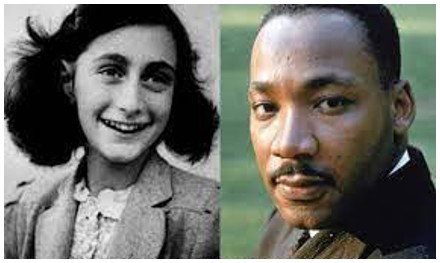
My Turn Holocaust and human rights education are vital for today. They help us recognize what's at stake and how to live a responsible and rewarding life. We see the warning signs and we know what’s at stake if we don’t resist growing tyranny, fear, corruption, and autocracy. We also know how racism and hate emerges here. It allows us to ask challenging questions of our own past: Are the lives of Anne Frank and Martin Luther King linked in any way? The answer is yes. They were both born in 1929 and both were killed by white nationalists embracing hate. Am I afraid to ask why?
Why I am afraid to let others be? Do I prefer hope or do I want to continue to live in fear? What's my responsibility to someone who's targeted for being who they are? How is their happiness connected with mine? How can the experiences of survivors help me answer questions of my own?
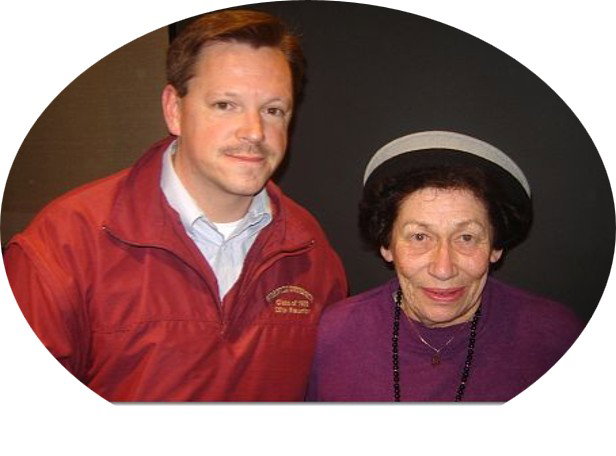
I was fortunate enough to meet Anne's friend Hannah Pick (Lies Goosens in the diary) a couple of times in Jerusalem. A troubled colleague asked her a question which I think he asked to justify a hatred he was feeling. He wanted justification and license. He leaned in and asked, "How did you get your revenge?" She smiled, perhaps sensing his anger, and gently replied, "I had children." It was a moment I still carry with me. She could have justified violent revenge - like a lot of entertainment does. And yet, she offered hope from a Jewish grandmother's perspective; choose life. Her revenge was to retain her humanity, not be like them, and live a life full of love and hope. Although victimized, she chose to not let "victim" define who she was.
Below: Hannah Pick.
We're all vulnerable and we need each other. The more diverse we are, the more we let things go, the more chance we'll find resilience and ways to be joyful. We don't have to turn inward and be defensive. Our hiding places are sometimes self-selected and self-reinforcing. We need to stop seeing ourselves as victims.
What if we listened to our docents who tell Anne's story and the stories of so many others and learn to let others be? What can we learn when we think about a teenaged Jewish girl in Amsterdam, terrified and hopeful, who was not allowed to be?