Season 2, Episode 19: Two Summer Reads for Your Pro-Democracy Needs

Listen Here:
The Bicentennial I was so excited during the bicentennial in 1976. I was a New England kid and everywhere books, outfits, museums, and stores (even wallpaper) fed my romanticized nostalgia for an idealized past. I even had a pretend musket I’d gotten in Disney World and my brother, my friends, and I had tons of fun playing in the woods and the neighborhood. Heck, even the Red Sox were fun to watch. I had actually met local NH hero Carlton Fisk at the gas station in 1974! The 1975 Sox are still my favorite team. Life was good. At least for me.
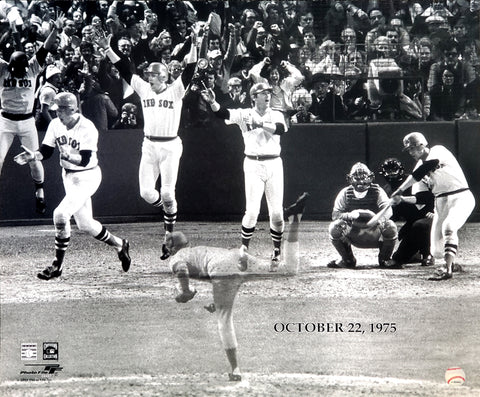
Looking back, I realize now that others weren't as lucky and were facing racism and violence. But during the bicentennial I was filled with hope. Things were improving. In 1974 we’d watched the Congressional hearings topple a corrupt president. It seemed that checks and balances and law would guide us forward as we continued to built a better Republic. We were talking about the right things. As we approach our 250th anniversary I don’t have the childlike excitement anymore, but I do have the same patriotism.
Today we’re reminded that something went wrong. We face barely checked authoritarianism, corruption, incompetence, cruelty, violence, racism, and dysfunction. I didn’t know that anti-democratic and hate-filled people adapt and learn. It’s time to catch up. Is there a way forward? Yes, but no guarantees. Two recent books will help us fight back.
June 1 Here’s an historic reference to kick things off. On this day in 1940, 64,429 soldiers from Britain, France, and elsewhere, were evacuated from the besieged beaches of Dunkirk. Nazi forces seemed to have won. And yet, democracies didn’t give up. Civilians filled the breach and with incredible courage and determination got those troops out of there so that they could fight another day – and eventually defeat the fascist enemy that had appeared unstoppable.
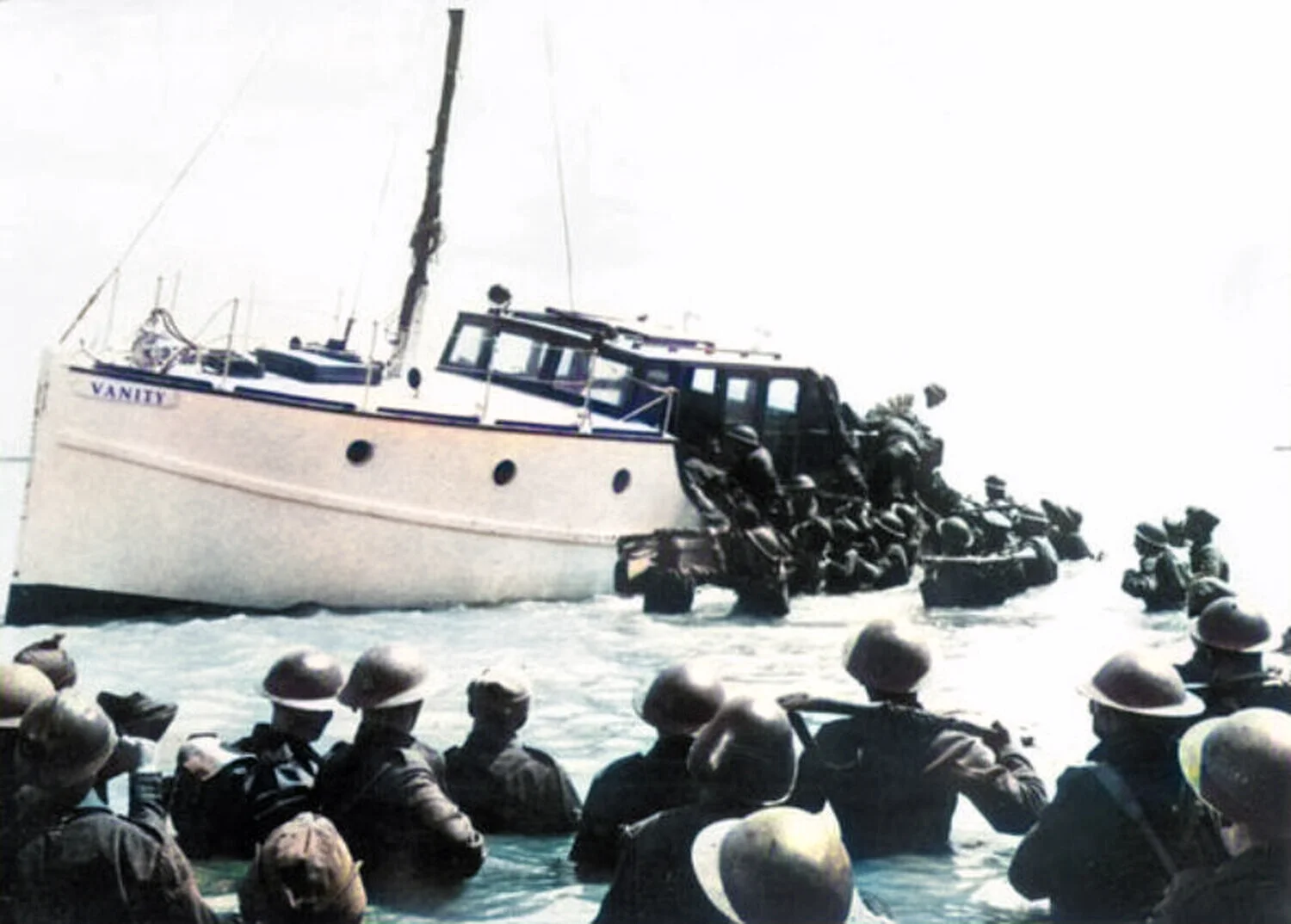
It’s a bit dramatic and the circumstances are very different, but it’s a good reminder that citizens can respond effectively when democracy is under attack. Things do change. The two books I’ll highlight will give us ways forward through the dangerous waters that lie ahead. Both highlight the need for facts, accountability, and the realization that things will not get better just because we hope they do. We have tools we can bring into the fight that can help us rescue the Republic.
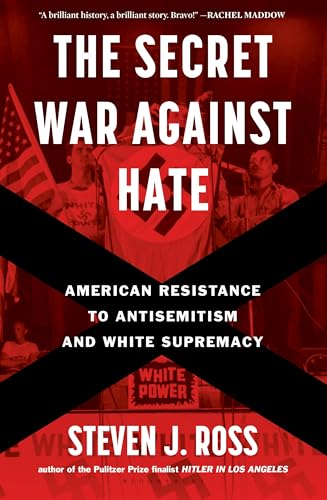
A Culmination of Hate Steven Ross’ The Secret War Against Hate: American Resistance to Antisemitism and White Supremacy traces the thread of distrust, anger, fear, hate, and manipulation that has become manifest in the Trump presidency. January 6 was the culmination of a thread of hate that had long existed. Like any hate, the participants viewed themselves as decent, moral, and in this case, “patriotic”. That didn’t make that true but it did give them their avenue to self-justify their violence and directly threaten our democratic way of life.
Greatest Generation Tom Brokaw’s term for the World War II generation is appropriate not only for what they did during the war but after. However, overlooked is what Ross identifies as another group of veterans that emerged in 1945, the “betrayed generation”. Building on the “Lost Cause” Confederate myth of the Civil War, this other generation fought World War II not to defeat Hitler, Mussolini, or Tojo, but because the U.S. had been attacked at Pearl Harbor. They fought because they were angry and patriotic. They soon resented the changes their victory brought. Because they weren’t fighting necessarily to end tyranny they resented the growing democratization and plurality of America that followed. They felt double-crossed by a government it identified as liberal and that was conspiring against their interests.
Hate Agenda Ross' book traces the re-emergence of the KKK and other far-right groups and the brave citizens who infiltrated and defeated them. Despite the incredible danger and horrifying violence there are some hilarious stories of human courage and ingenuity. There’s also a warning about how the leaders of these groups kept learning lessons from their failures. They learned how to better promote their agenda of hate that was stitched together with antisemitism, racism, and misogyny. Their praise and promotion of Hitler and the Nazis was not because they articulated anything new, but that they articulated their long-standing homegrown American beliefs and practices better.
The politics of resentment, antisemitism, racism, white replacement victimhood whining, anti-immigrant, anti feminism, and anti-government beliefs were enough of a toxic mix to attract just enough people to create a climate of fear. Christian nationalism (the driving engine of Nazi Germany as well) helped to justification their patriotic right to inflict violence in the name of God and their definition of nation. Their goals continue to be the destruction of human rights and of an American experiment offering life, liberty, and the pursuit of happiness for all.
Manipulation of Veterans One third of the January 6 demonstrators were military veterans who had patriotically served their country. Ross traces how these far-right movements courted and energized disgruntled veterans from World War II through the endless wars of today. Militancy and paramilitaries are central driving forces for antidemocratic movements. It’s important to recognize the stress that endless wars are putting on us and how politicians manipulate trauma, prejudices, and paranoid fantasies for their own greed and power – at our expense.
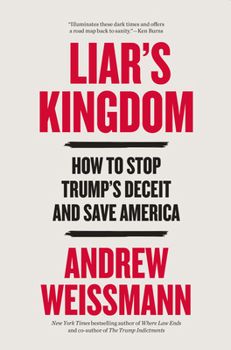
A Crime to Lie? Andrew Weissmann’s Liar’s Kingdom: How to Stop Trump’s Deceit and Save America is my next recommendation. Too many Americans believe the poisonous lies of the Trump administration from birtherism to election denial. The lies are toxic. Democracies can’t function without verifiable facts and truths to argue about. Why are there statutes against lying but none about knowingly lying when running for or holding elected office? What can we do about it?
Marketplace of Ideas? We can’t go on allowing the deliberate erosion of truth nor expect the “marketplace of ideas” to just correct things in the end. This marketplace isn't a level playing field. Information (or lack) is mostly driven by the powerful and the wealthy who dominate and reduce the space. We’re getting less and less truth as mass media overwhelms us and networks become ideological or collaborate with the powerful. Facts, science, and truth protect us but the current marketplace is a lawless zone that often forces truth to the fringe.
First Amendment Regulating the internet and AI are necessary discussions. For now, let's talk about regulating political lies. I know, I hear the worries that this is about restraining and restricting free speech. It isn't. Remember, we don't have the right to yell "fire" in a crowded movie house. There are ways to penalize liars. There are legal tools that can help protect us from politicians that knowingly lie to benefit themselves. We just haven't decided to use them yet. Using the jurisprudence around the 2005 Stolen Valor Act and the laws created by other democracies to protect their citizens from lies, Weissmann gives us a way forward while preserving, indeed fortifying, the First Amendment.
Fact vs. Fiction I’m not a lawyer and Weissmann’s clearly laid out and concise argument helps people like me. It’s a quick and straightforward read that helps us distinguish the difference between opinions and fiction from facts. Because our system has proven vulnerable to lies and fabricated conspiracy theories, we need to use the legal system to thwart the threat. We've accepted unchecked executive power and authoritarianism rooted in lies. We don't have to. We can start by asking which lies will we tolerate and which ones we hold to account?
My Turn Hate is always with us and so too is a rejection of hate. As a patriot, I want to find ways to fortify our freedom and protect as many of us as possible. Political extremism (right or left) threatens democracy. It’s time to use hope to reign in the destroyers of freedom. It starts with regulating lies and creating consequences of those who abuse the public trust.
Bellow: Charlottesville Virginia "Unite the Right" rally, August 12, 2017.

Charlottesville and January 6 solved many problems for the far-right antidemocratic movement. Until then there were “too many führers” competing with each other and their ideas remained on the fringe. With Trump, their savior has emerged to “unite the right” and make their hate mainstream. Even though people died in Charlottesville and later during their attack on the Capitol on January 6, their crimes are now pardonable, praised as “patriotic” (they love that), and in their hopes, financially rewarding if Trump gets his way. This illegality and immorality cannot become the norm. There is significant legal pushback and moral outrage to the slush fund he's trying to create.
The logic of white supremacy and Christian nationalism adapts, changes, and shifts but never loses its grip. As both of my summer reading recommendations tell us how these antidemocratic forces never go away, it's up to us to adapt, shift, and respond too.
We have tools and we need to use them. We can create laws with checks and balances and due process to punish those who intestinally lie to divide and confuse us. Public service is a public trust, not a get out of jail free card. We can vote. The new Congress can create fair and just laws to protect truth. We can and must hold liars and promoters of violence to account. They should not be allowed to hold public office.
Weissmann and Ross show us the way forward. Law, truth-telling, and accountability are the only ways out. Although the far right often uses Thomas Jefferson to justify their violence against what they believe is a corrupt government, we can use Jefferson too to resist them. Jefferson argued that education is the best safeguard against tyranny. We can fund public education.
Tapping into my childhood enthusiasm, I can still fight the bad guys. Americans are rejecting what they are seeing and experiencing. We know what authoritarianism and corruption look like and we don't like it. And so we must rely on our values and ideals. Democracy gives us the tools, courage, dignity and patriotism to resist. Let's use them
It's up to us to decide what the future looks like. We can celebrate the 250th not with innocent nostalgia but with practical actions of a people gifted with democratic freedoms.